

Does your child snore heavily, not get enough restful sleep, have decreased energy levels, or show signs of abrupt mood changes? If so, sleep-disordered breathing may be the cause. This common condition can affect children of all ages and lead to serious health problems if left untreated. The good news is that this breathing issue can be effectively diagnosed and treated at your dentist’s office.
What Is Sleep Disordered Breathing?
Sleep-disordered breathing (SDB) refers to abnormal breathing patterns during sleep. The most common type of SDB is obstructive sleep apnea, which occurs when the airway becomes partially or completely blocked during sleep.
During SDB episodes, a child’s breathing may become irregular, shallow, or even stop for a few seconds before resuming with a loud gasp or snort. This temporary interruption in breathing decreases the oxygen levels and increases the CO2 levels in the blood. It can occur many times throughout the night, disrupting sleep and affecting their overall health and well-being if left untreated.
SDB has been linked to several health conditions, such as high blood pressure, heart disease, growth delays, poor school performance, and behavioral problems. That’s why it’s crucial to recognize the signs of SDB and get proper treatment early.
5 Signs Your Child Suffers From Sleep-Disordered Breathing
Children who suffer from SDB don’t get enough restful sleep, which can negatively impact their overall health and cognitive development.
Here are five signs that your child may suffer from SDB:
- Snoring– One of the most common signs of SDB is loud snoring. If your child snores regularly, especially when it’s accompanied by gasping or choking sounds while sleeping, it could be a sign of SDB.
- Mouth Breathing– Breathing through the mouth instead of through the nose is another sign of SDB in children.
- Restless Sleep– If your child wakes up multiple times throughout the night or tosses and turns frequently during sleep, SDB may be keeping them from getting enough restful sleep.
- Behavioral Problems– Children with untreated SDB may also show signs of behavioral issues, such as irritability, mood swings, and difficulty concentrating due to a lack of quality sleep.
- Bedwetting– While bedwetting can have many causes, studies show that children with obstructive sleep apnea (OSA), a form of SBD, are more likely to experience bedwetting.
Learn More: 5 Everyday Clues Your Child May Have an Airway Issue
What To Do If You Notice These Sleep-Disordered Breathing Signs In Your Child
If you consistently notice these symptoms in your child, it’s important to consult your pediatrician or dentist for proper evaluation and treatment options. Early treatment is crucial so potential issues don’t worsen over time.
While central sleep apnea requires a visit to a neurologist, obstructive sleep apnea can be treated by a dentist. Dental problems that could indicate sleep apnea include teeth grinding, poor tongue posture, misaligned teeth, or an underdeveloped jaw.
Learn More: How Airway Dentistry Supports Healthy Smiles and Overall Health
Atkins & Anderson Offers Airway Dentistry for Kids
Early intervention helps ensure proper breathing, alignment, and facial growth. Your child’s mouth, teeth, and jaw are still developing, which means small adjustments can make a big difference. By being proactive and addressing sleep-disordered breathing, you can help your child get the restful sleep they need for optimal growth and development. Contact us today to schedule a consultation.
Share

As a busy parent, you probably don’t spend much time thinking about where your child’s tongue rests, how they swallow, or whether they breathe through their nose or mouth. But all of these can affect how your child’s mouth, jaw, teeth, and airway develop. That’s where myofunctional therapy for kids may come in. If your
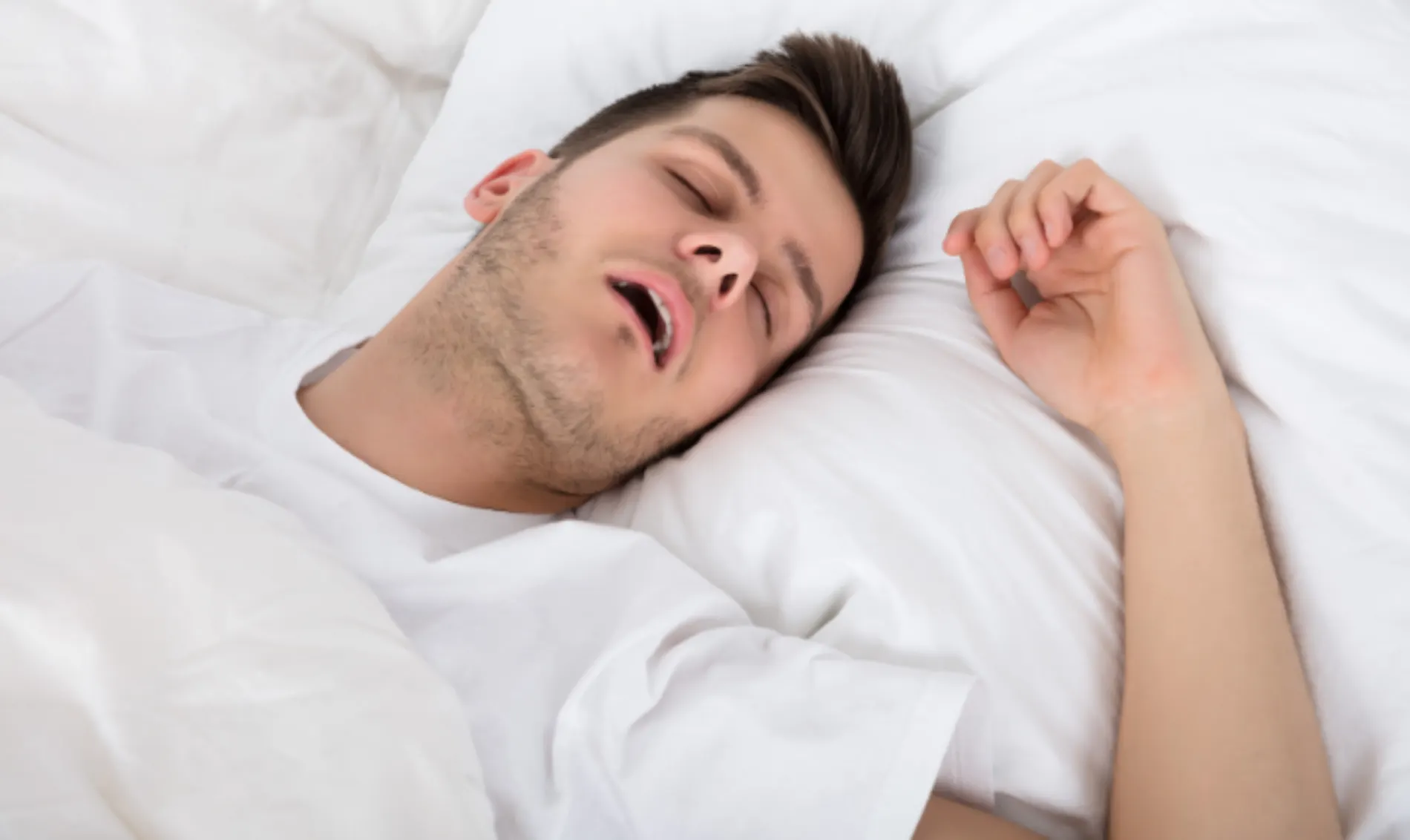
If you or your partner regularly hear snoring at night, you may have asked yourself, “Why do I snore?” It’s tempting to laugh it off as an annoying habit or simply part of getting older. But chronic snoring isn’t always harmless. In some adults, snoring can signal that the airway is becoming restricted during sleep,
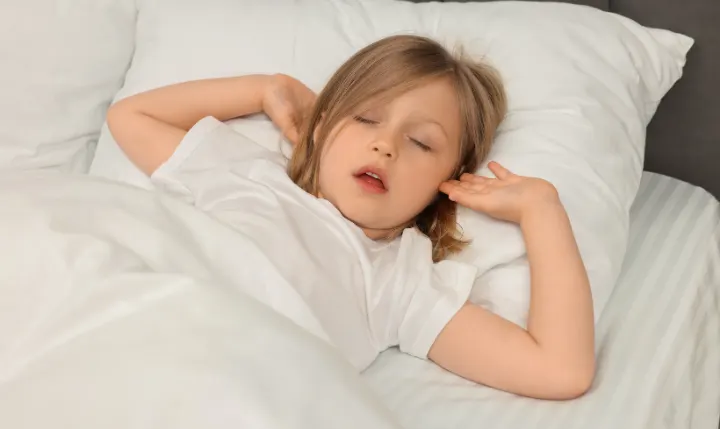
Mouth breathing in children can affect more than oral health. It may be connected to sleep quality, airway health, facial growth, dental development, and daytime focus. Recognizing the signs of child mouth breathing and understanding when a pediatric airway evaluation may be appropriate can help parents address potential concerns early. If your child frequently snores
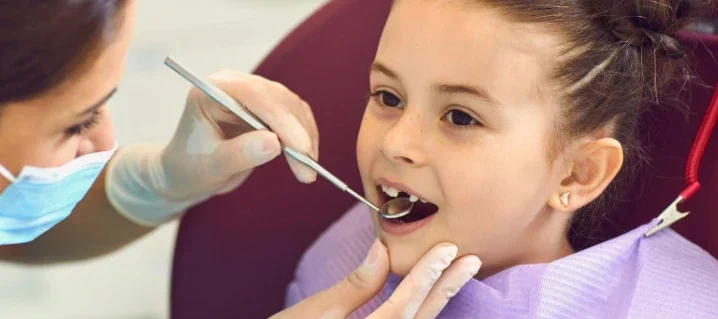
As parents prepare for a new school year, they often focus on school supplies, sports physicals, and updated schedules. But one important item is often overlooked – a back-to-school dental checkup. At Atkins & Anderson DDS in College Station, TX, we know that a healthy smile helps children start the school year with confidence. Whether your child needs a routine cleaning, cavity treatment,
