


At Atkins & Anderson DDS, we believe dentistry is about more than just straight teeth and healthy gums – it’s about helping our patients breathe better, sleep deeper, and enjoy better overall health. One of the most effective ways we do that is through airway-focused dentistry, an approach that looks at how your mouth, jaw, and

One of the most important, yet often overlooked, parts of a child’s long-term health is how well they breathe. When a child struggles to breathe well – especially during sleep – it can affect their mood, behavior, and ability to focus. Many parents are surprised to learn that dentists are often the first to spot signs of airway

Does your child snore heavily, not get enough restful sleep, have decreased energy levels, or show signs of abrupt mood changes? If so, sleep-disordered breathing may be the cause. This common condition can affect children of all ages and lead to serious health problems if left untreated. The good news is that this breathing issue can be effectively diagnosed and treated at your dentist’s office. What Is Sleep Disordered Breathing?
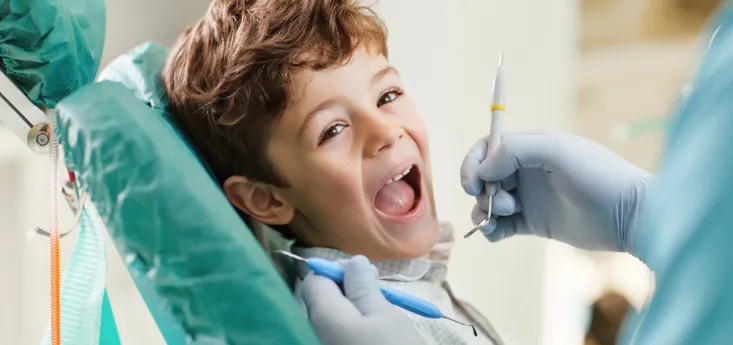
As parents, we often focus on our children’s physical health, education, and nutrition. Many people aren’t aware of the significant role that oral health plays in overall health and well-being. With increasing awareness of the benefits of airway dentistry, this specialized field is becoming increasingly essential for improving health and proper facial development in children.

Many people think it doesn’t matter whether they breathe through their mouth or nose. But there’s actually a big difference between mouth breathing and nasal breathing. In fact, how you breathe can significantly impact your oral health as well as your overall health. Here are ten health benefits nasal breathing offers that mouth breathing doesn’t. Top 10 Benefits of Nasal Breathing Natural Air Filter– Our noses act as air filters,

Did you know that how you breathe impacts your overall health? Breathing provides your body with oxygen and also allows you to release carbon dioxide and waste. Most people use both their nose and mouth to breathe, but mouth breathing occurs when a person relies on their mouth for breathing instead of their nose. Mouth
Contact Us
Atkins & Anderson DDS
