

Preventive dentistry in College Station, TX, can help protect your smile while reducing the likelihood of more complicated and costly dental treatment in the future.
When it comes to your dental health, waiting until something hurts can end up costing you more – both financially and in time, comfort, and treatment.
That’s why preventive dentistry in College Station, TX, is one of the smartest investments you can make in your long-term oral health. Regular dental cleanings, exams, and early treatment can help identify small problems before they become bigger, more complicated, and more expensive.
At Atkins & Anderson DDS, we believe dentistry isn’t just about fixing problems after they develop. It’s about helping you prevent them in the first place.
What Is Preventive Dentistry?
Preventive dentistry focuses on maintaining your oral health and stopping dental problems before they require extensive treatment.
For patients, that typically includes:
- Routine dental cleanings
- Comprehensive dental exams
- Digital X-rays when appropriate
- Oral cancer screenings
- Monitoring for cavities and gum disease
- Identifying signs of tooth wear, grinding, or other concerns
- Personalized recommendations for at-home dental care
- Early treatment when a problem is detected
Preventive dental care allows your dentist to monitor changes in your oral health and address concerns before they become more complicated.
And that can make a big difference – not only for your smile, but for your wallet.
1. Dental Cleanings Help Prevent Bigger Problems
Even if you brush and floss every day, professional dental cleanings are still an important part of maintaining a healthy smile.
Over time, plaque can harden into tartar. Once tartar develops, a toothbrush alone won’t get rid of it. Professional cleanings remove this buildup from hard-to-reach areas.
Regular cleanings help reduce your risk of:
- Cavities
- Gum disease
- Bad breath
- Gum inflammation
- More extensive restorative treatment
Skipping cleanings may seem like a way to save money in the short term, but untreated plaque and tartar can contribute to problems that require more involved – and potentially more costly – treatment later.
Preventing a problem is almost always easier than repairing the damage it causes.
Learn More: Top 5 Dental Problems Dentists See in College Station, Texas
2. Dental Exams Find Problems You Can’t See
One of the biggest advantages of regular dental exams is that your dentist can spot problems you may not be able to see or feel.
Cavities, gum disease, cracks, worn teeth, and other oral health concerns don’t always cause obvious symptoms in their early stages.
By the time you experience pain, sensitivity, swelling, or another noticeable symptom, a problem may have progressed.
During a routine exam, your dentist evaluates your teeth, gums, bite, and overall oral health. Depending on your individual needs, X-rays and other diagnostic tools may also help identify concerns below the surface.
Early detection can mean simpler treatment.
Learn More: Back to School Checklist Every Parent Needs to Know
3. Early Treatment Is Often Simpler Treatment
This is where preventive dentistry can make one of the biggest financial differences.
Imagine discovering a small cavity during a routine exam. Treating it early may require a simple filling.
Now imagine waiting until the tooth begins hurting. Once the decay progresses, you could need more extensive treatment to restore or save the tooth.
The same principle applies to gum disease, cracked teeth, worn teeth, and other dental concerns.
Early treatment doesn’t just protect your smile – it helps protect your budget.
When your dentist identifies a problem early, you have more opportunities to address it before it becomes an expensive emergency.
Learn More: The Hidden Connection Between Mouth Breathing and Dental Problems
4. Preventive Dentistry Can Help You Avoid Dental Emergencies
Dental emergencies can be stressful and expensive.
Ignoring a painful tooth can create an urgent problem. A small crack can potentially worsen. An untreated cavity can progress to the point where the tooth becomes infected.
Routine dental exams and cleanings give your dental team a chance to spot potential trouble before it becomes an emergency.
While preventive care can’t eliminate every dental emergency, it can significantly improve your ability to stay ahead of problems.
Learn More: What to Do During a Dental Emergency
5. Preventive Dentistry Is Important for the Whole Family
Preventive dental care isn’t just for adults.
Children benefit from regular dental visits, too. Early appointments help establish healthy habits while allowing your dental team to monitor developing teeth, jaws, and overall oral health.
This is especially important because some concerns are easier to address when they are identified early.
At Atkins & Anderson DDS, we take a comprehensive approach to children’s dental health. In addition to traditional preventive care, our team also looks at airway and breathing concerns when appropriate.
For example, chronic mouth breathing, snoring, restless sleep, and certain patterns of dental development may warrant an airway evaluation.
You can learn more about the connection between breathing and oral health in our articles about mouth breathing and dental problems and mouth breathing vs. nasal breathing.
For parents, early identification can be especially valuable. Our recent article, Why Early Airway Screening (Ages 3–12) Matters for Lifelong Health, explains why looking at these concerns early can make a difference.
How Often Should You Have a Dental Cleaning and Exam?
For many patients, dental cleanings and exams every six months are a good starting point. However, no single schedule is right for everyone.
Your recommended schedule may depend on your:
- History of cavities
- Gum health
- Oral hygiene
- Existing dental work
- Risk factors for tooth decay
- Tooth wear or grinding
- Overall oral health
The most important thing is to stay consistent with the schedule your dentist recommends.
If it’s been longer than you would like since your last visit, don’t worry. It’s not too late to get back on track.
Make Preventive Dentistry Part of Your Health Routine
Taking care of your smile doesn’t have to be complicated.
Brush twice a day. Floss or clean between your teeth daily. Maintain a balanced diet and limit frequent sugary snacks and drinks. Most importantly, stay consistent with your professional dental cleanings and exams.
If it’s been a while since your last dental visit, don’t let embarrassment or worry keep you from making an appointment. The best time to address a dental problem is before it becomes an emergency.
Learn More: Dental Goals for the New Year: Simple Habits That Make a Big Difference
Ready to Invest in Your Smile?
Whether it’s been six months or several years since your last dental visit, we’re here to help you get back on track.
Atkins & Anderson DDS provides preventive dentistry in College Station, TX, for patients of all ages. Our warm, family-oriented team takes the time to understand your needs and create a personalized plan for maintaining your smile.
Schedule your next dental cleaning and exam with Atkins & Anderson DDS and take a proactive step toward protecting your smile.
Share
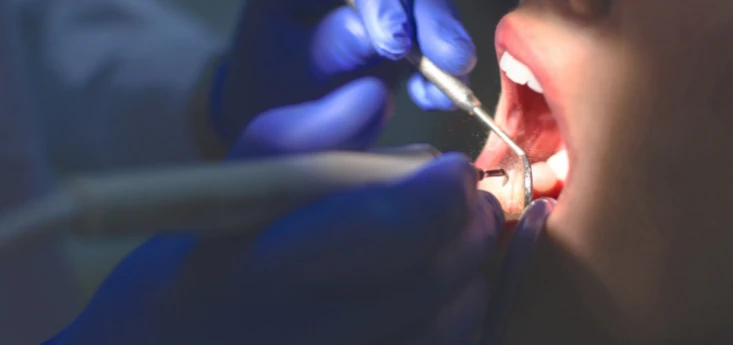
When it comes to your oral health, waiting until something hurts can be one of the most expensive decisions you make. Preventive dentistry focuses on stopping problems before they start – saving you time, discomfort, and high costs down the road. If you’re looking for preventive dentistry in College Station or dental cleanings in College

Many people don’t think about their dental health until something starts to hurt. At Atkins & Anderson DDS in College Station, we regularly help patients treat and prevent the most common dental problems in Texas – many of which are avoidable with early care and good habits. Here are the top 5 dental issues we see, along with what you can do to

You may not realize it, but your breathing habits can affect not only your teeth but also your overall health. In fact, mouth breathing can quietly lead to a range of dental and health issues. At Atkins & Anderson DDS in College Station, TX, we work with many patients whose oral health is affected by mouth breathing. Let’s get to the root

Does a breath of cold air or your hot morning coffee suddenly make your teeth ache in the winter? If so, you’re not alone! Tooth sensitivity in winter is a common problem, and colder temperatures can make it feel even worse. At Atkins & Anderson DDS, we often see an increase in tooth sensitivity complaints this time of year. The good news? There are simple ways
