

Many people don’t think about their dental health until something starts to hurt. At Atkins & Anderson DDS in College Station, we regularly help patients treat and prevent the most common dental problems in Texas – many of which are avoidable with early care and good habits.
Here are the top 5 dental issues we see, along with what you can do to protect your oral health and smile.
1. Cavities (Tooth Decay)
Cavities are one of the most common dental problems in both children and adults. They develop when plaque and bacteria break down tooth enamel, often due to sugary diets and inconsistent brushing or flossing.
Signs to Watch For:
- Tooth sensitivity to hot, cold, or sweets
- Visible holes or dark spots
- Tooth pain
Prevention Tips:
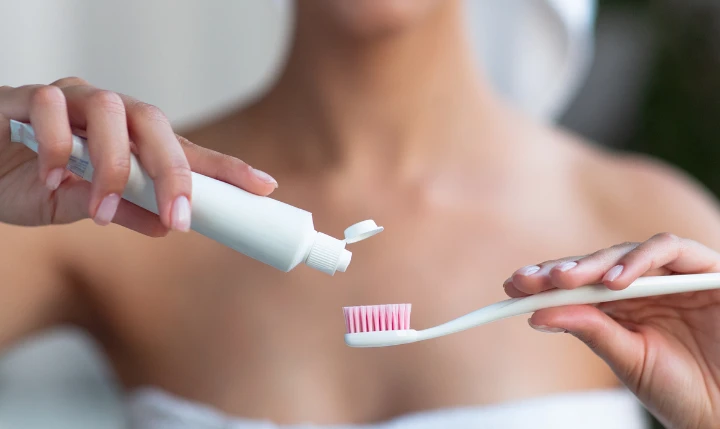
- Brush twice daily with fluoride toothpaste
- Floss daily
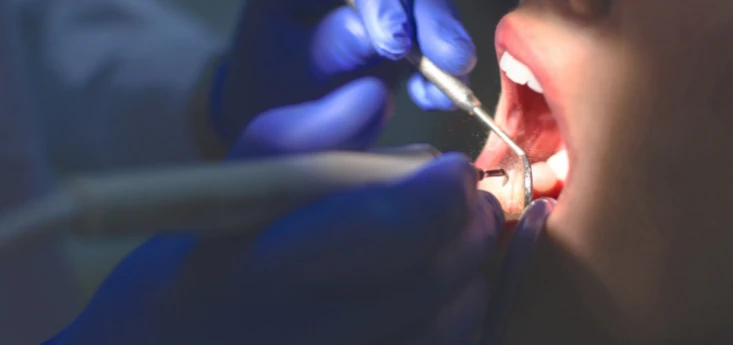
- Schedule regular cleanings with your dentist in College Station, Texas
Learn More: Daily Dental Do’s – 4 Ways to Keep You and Your Teeth Healthy
2. Gum Disease (Gingivitis & Periodontitis)
Gum disease is extremely common and often goes unnoticed in its early stages. Left untreated, it can lead to tooth loss and impact your overall health.
Symptoms of Gum Disease:
- Red, swollen, or bleeding gums
- Persistent bad breath
- Receding gum line
Why It Matters:
Research shows links between gum disease and systemic conditions like heart disease and diabetes.
Prevention:
- Professional dental cleanings every 6 months
- Proper brushing and flossing habits
- Early diagnosis and treatment
Learn More: How to Keep Your Gums Healthy [and Why it Matters]
3. Teeth Grinding (Bruxism)
Teeth grinding – often caused by stress or sleep issues – is another issue we frequently treat at Atkins & Anderson DDS.
Common Signs:
- Jaw pain or tightness
- Worn or flattened teeth
- Headaches, especially in the morning
Treatment Options:
- Custom night guards
- Stress management strategies
- Addressing underlying sleep or airway concerns
Learn More: New Year, Better Sleep: How Airway Dentistry Can Improve Your Health
4. Cracked or Damaged Teeth
Cracked teeth can happen from chewing hard foods, sports injuries, or even untreated grinding.
Warning Signs:
- Sharp pain when biting
- Sensitivity that comes and goes
- Visible cracks or chips
Why Prompt Care Matters:
Delaying treatment can lead to infection or the need for more extensive procedures like crowns or root canals.
Learn More: What to do During a Dental Emergency
5. Dry Mouth
Dry mouth is more than just uncomfortable – it increases your risk of cavities and gum disease by reducing saliva, which helps protect your teeth.
Causes of Dry Mouth:
- Mouth breathing
- Medications
- Dehydration
- Certain health conditions
Symptoms:
- Sticky or dry feeling in the mouth
- Difficulty swallowing
- Increased plaque buildup
Solutions:
- Stay hydrated
- Use saliva substitutes if needed
- Address underlying breathing issues
Learn More: Mouth Breathing vs Nasal Breathing: What’s the Big Difference?
When to See a Dentist
You should schedule a visit if you experience:
- Tooth pain or sensitivity
- Bleeding gums
- Chronic dry mouth
- Jaw discomfort or headaches
Early treatment can prevent small problems from becoming major (and costly) ones.
Frequently Asked Questions About Common Dental Problems in Texas
- What are the most common dental problems in Texas?
The most common dental problems in Texas include cavities, gum disease, teeth grinding, cracked or damaged teeth, and dry mouth. Many of these issues are linked to diet, hydration, stress, and oral hygiene habits. Visiting a trusted dentist in College Station, Texas, can help catch these problems early.
- How can I prevent cavities and tooth decay?
Early prevention is the best way to avoid more serious dental issues. Preventing cavities starts with consistent daily care:
- Brush twice a day with fluoride toothpaste
- Floss daily
- Limit sugary snacks and drinks
- Visit your dentist in College Station, Texas, for regular cleanings and exams
- What are the early signs of gum disease?
Early signs of gum disease include:
- Red or swollen gums
- Bleeding when brushing or flossing
- Persistent bad breath
If you notice these symptoms, schedule a dental visit as soon as possible to prevent progression to more severe periodontal disease.
- Why do I grind my teeth at night?
Teeth grinding, or bruxism, is often caused by stress, anxiety, or sleep-related breathing issues. It can lead to jaw pain, worn teeth, and headaches. A custom night guard from your dentist in College Station, Texas, can help protect your teeth while you sleep.
- Is dry mouth a serious dental problem?
Yes, dry mouth can increase your risk for cavities and gum disease because saliva helps wash away bacteria. Common causes include medications, dehydration, and mouth breathing. Treatment may include hydration, lifestyle changes, and professional dental guidance.
- When should I see a dentist for a cracked tooth?
You should see a dentist immediately if you suspect a cracked or chipped tooth. Even small cracks can worsen over time and lead to infection or tooth loss if left untreated.
- Can dental problems affect my overall health?
Yes. Conditions like gum disease have been linked to serious health issues such as heart disease, diabetes, and inflammation throughout the body. Maintaining good oral health is an important part of your overall wellness.
Protect Your Smile and Overall Health with Preventive Dental Care in College Station, Texas
The good news? Most dental issues are preventable with routine care and early intervention. At Atkins & Anderson DDS, we focus on helping patients stay ahead of problems – not just treat them after they start.
Schedule Your Appointment Today
If you’re experiencing any of these symptoms – or it’s simply time for your routine checkup – our dedicated team is here to help.
Call Atkins & Anderson DDS today or request an appointment online to protect your smile and your overall health.
Share
Preventive dentistry in College Station, TX, can help protect your smile while reducing the likelihood of more complicated and costly dental treatment in the future. When it comes to your dental health, waiting until something hurts can end up costing you more – both financially and in time, comfort, and treatment. That’s why preventive dentistry
When it comes to your oral health, waiting until something hurts can be one of the most expensive decisions you make. Preventive dentistry focuses on stopping problems before they start – saving you time, discomfort, and high costs down the road. If you’re looking for preventive dentistry in College Station or dental cleanings in College

You may not realize it, but your breathing habits can affect not only your teeth but also your overall health. In fact, mouth breathing can quietly lead to a range of dental and health issues. At Atkins & Anderson DDS in College Station, TX, we work with many patients whose oral health is affected by mouth breathing. Let’s get to the root

Does a breath of cold air or your hot morning coffee suddenly make your teeth ache in the winter? If so, you’re not alone! Tooth sensitivity in winter is a common problem, and colder temperatures can make it feel even worse. At Atkins & Anderson DDS, we often see an increase in tooth sensitivity complaints this time of year. The good news? There are simple ways
