

Have you ever stopped to think about how you breathe? Did you know that breathing through your nose or mouth can have a significant impact on your dental health, facial development, sleep quality, and even the appearance of your smile?
At Atkins & Anderson DDS in College Station, Texas, we often talk with patients about the connection between breathing and oral health. Understanding the difference between mouth breathing vs nasal breathing can help you protect your teeth, support healthy child development, and improve your overall health.
Why Nasal Breathing Is Better for Your Oral Health
Your nose is designed to be your body’s natural breathing system. When you breathe through your nose, several important things happen that support both your health and your smile.
Nasal breathing helps:
- Filter dust, bacteria, and allergens before they reach your lungs
- Warm and humidify the air you breathe
- Maintain healthy saliva levels in your mouth
- Support proper tongue posture and jaw development
- Improve oxygen delivery throughout the body
Saliva is especially important for oral health. It helps wash away food particles, neutralize acids, and protect teeth from decay. When you breathe through your nose, your mouth stays naturally hydrated – and saliva can do its job.
Learn More: Mouth Breathing vs Nasal Breathing: What’s the Big Difference?
Dental Problems Caused by Mouth Breathing
Breathing through your mouth causes dry mouth – which allows harmful bacteria to grow.
Common dental problems linked to mouth breathing include:
- Increased risk of cavities
- Gum inflammation and gum disease
- Chronic bad breath
- Plaque buildup
- Enamel erosion
Over time, these issues can significantly impact both oral health and the appearance of your smile.
Mouth breathing often happens because of:
- Chronic allergies
- Nasal congestion
- Enlarged tonsils or adenoids
- Deviated septum or structural airway issues
- Chronic sinus problems
How Mouth Breathing Can Affect Children’s Smile Development
For children, breathing habits are especially important because they can impact facial and jaw growth.
Chronic mouth breathing in children may contribute to:
- Narrow dental arches
- Crooked or crowded teeth
- A high, narrow palate
- Bite alignment problems
- Changes in facial growth patterns
These developmental changes can increase the likelihood that a child will need orthodontic treatment later. Early airway screening helps identify these issues before they become more complicated and costly.
Learn More: How Airway Health Impacts Your Child’s Growth and Development
Why Early Airway Screening Matters
At Atkins & Anderson DDS, we take a comprehensive approach to dental health. That means looking beyond teeth to understand how breathing and airway health affect your mouth.
Early airway screening – especially for children ages 3 to 12 – can help identify breathing issues that may impact:
- Facial development
- Dental alignment
- Sleep quality
- Overall health
Addressing airway concerns early leads to less invasive and more effective treatment options. The goal is not only to create a beautiful smile but also to support healthy breathing, better sleep, and long-term wellness.
FAQ: Mouth Breathing and Dental Health
Can mouth breathing cause cavities?
Yes. Mouth breathing dries the mouth and reduces saliva production. Saliva helps protect teeth from bacteria and acid, so a dry mouth can increase the risk of cavities and gum disease.
Is mouth breathing bad for children’s teeth?
Chronic mouth breathing can affect how a child’s jaws and teeth develop. It may lead to crowded teeth, narrow arches, and bite problems if not addressed early.
How do I know if my child is a mouth breather?
Signs include sleeping with an open mouth, snoring, restless sleep, dry mouth in the morning, and frequent cavities. A dental airway evaluation can help determine the cause.
Can a dentist help with mouth breathing?
Yes. Dentists trained in airway-focused dentistry can evaluate breathing patterns and identify potential airway concerns.
Protect Your Smile and Your Health
The way you breathe affects more than just your lungs – it can impact your teeth, sleep, facial development, and overall health.
Contact our office today to schedule an appointment – and learn more about how airway-focused dentistry can support a healthier smile for life!
Share
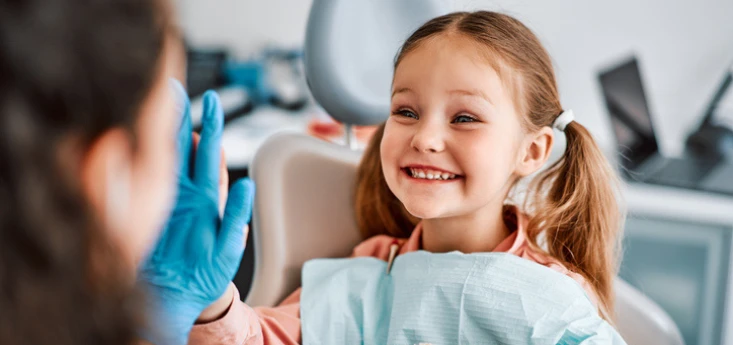
When parents think about their child’s dental visits, they usually focus on clean teeth and cavity prevention. But there’s another important aspect of your child’s health that many families don’t realize a dentist can help evaluate: the airway. At Atkins & Anderson DDS, we know that early airway screening is an important part of helping children grow, sleep,
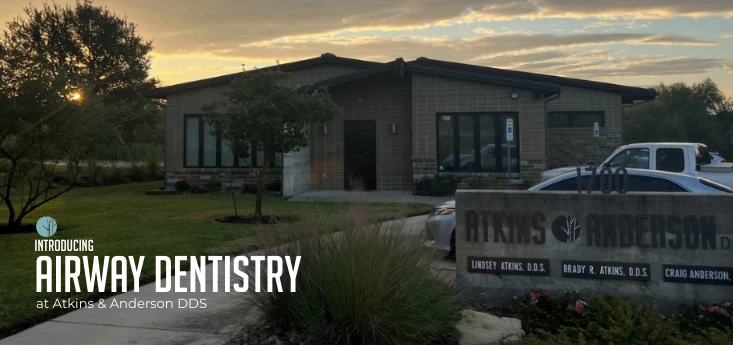
If your child snores, breathes through their mouth, or wakes up tired even after a full night of sleep, you may be witnessing signs of an airway problem, not just a quirky sleep habit. At Atkins & Anderson DDS in College Station, we are proud to now offer airway dentistry as part of our commitment

At Atkins & Anderson DDS, we believe dentistry is about more than just straight teeth and healthy gums – it’s about helping our patients breathe better, sleep deeper, and enjoy better overall health. One of the most effective ways we do that is through airway-focused dentistry, an approach that looks at how your mouth, jaw, and

Does your child snore heavily, not get enough restful sleep, have decreased energy levels, or show signs of abrupt mood changes? If so, sleep-disordered breathing may be the cause. This common condition can affect children of all ages and lead to serious health problems if left untreated. The good news is that this breathing issue can be effectively diagnosed and treated at your dentist’s office. What Is Sleep Disordered Breathing?