

Wisdom teeth are the third row of molars that show up in your late teens or early twenties. This extra set of teeth was necessary for our ancestors who ate tough foods like meat, leaves, and roots. Considering the fact that their molars would fall out or get worn down, a new set of teeth was just what our ancestors needed. But over the course of time, the human jawline has adapted to a new diet of softer foods and the advancement of oral hygiene. We don’t need a third set of molars and in fact, we don’t have room for them in our mouth. This is why 85% of the population will have their wisdom teeth removed. If you have questions about your wisdom teeth, you’ve come to the right place.
What Happens if I Keep My Wisdom Teeth?
Your wisdom teeth can cause a variety of problems. Because it is difficult to brush and floss them, you invite tooth decay and infection the longer your wisdom teeth stick around. Wisdom teeth can also lead to discomfort and pain in your jaw because there’s not enough room for them to grow. This can also lead to cosmetic issues like crooked teeth or the appearance of a crowded smile. In fact, if your teeth are already misaligned, or there’s not enough space for the wisdom teeth to break through the gum, they will become impacted. If you have swollen and painful gums, experience pain in your jaw, or have a strange taste in the back of your mouth, it’s time to call a dentist.
Who Should Get Their Wisdom Teeth Pulled?
While wisdom teeth extraction is an extremely common procedure, your dentist is the only one who can determine who should get their wisdom teeth pulled and when. In many cases, you’ll be encouraged to have your wisdom teeth removed while you’re a teenager before the teeth have broken through the surface. Recovery is much faster and easier in this circumstance, rather than waiting until you’re an adult.
What Should I Expect From Wisdom Teeth Surgery?
Wisdom teeth extraction is an outpatient procedure, however, because it is surgery, you’ll be given a local or general anesthetic. Your dentist will send you home with care instructions to help your mouth heal appropriately and quickly. After surgery, your diet will consist of soft foods and liquids for several days. You’ll be asked to avoid chewing gum, eating hard foods, smoking, and drinking from a straw until your mouth has healed. Feeling sore in your jaw and experiencing pain at the site of the surgery is normal. Your dentist may prescribe pain medication for a few days following surgery. It is also common to bleed for several hours after the procedure. You will need to keep fresh gauze on the extraction site until the bleeding subsides. Swelling is a common side effect of wisdom teeth surgery, but keeping ice on your jawline will help reduce puffiness.
Don’t wait until you’re in pain to make a dental appointment. Scheduling regular dental cleanings is the best way to identify a problem area before it actually becomes a problem. Don’t be embarrassed by the number of years that have passed since you’ve seen a dentist. The important thing is that you’re taking care of your oral health today. Whether your 16 or 60, if you have questions or concerns about your wisdom teeth, make an appointment at Anderson & Atkins, DDS. Call our front office today at (979)846-1813.
Share
When it comes to your oral health, convenience and quality care go hand in hand. While you may have several options when searching for a dentist, choosing a local dentist in College Station can provide benefits that go far beyond routine cleanings and checkups. From personalized care and community connections to easier access during dental
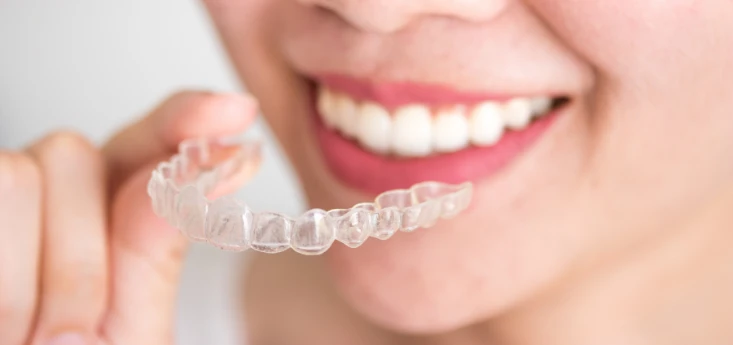
If you’ve been thinking about straightening your teeth but don’t want traditional metal braces, Invisalign may be the solution you’ve been looking for. At Atkins & Anderson, DDS in College Station, many teens and adults are choosing Invisalign because it offers a more comfortable, discreet, and convenient way to improve their smiles. But how do
When most parents think about orthodontics, they picture straight teeth and a confident smile. But there’s a deeper layer to oral health that’s gaining attention – airway-focused dentistry. At Atkins & Anderson DDS in College Station, Texas, early intervention goes beyond aesthetics to support proper breathing, healthy development, and long-term wellness. If you’ve been searching
When parents think about their child’s dental visits, they usually focus on clean teeth and cavity prevention. But there’s another important aspect of your child’s health that many families don’t realize a dentist can help evaluate: the airway. At Atkins & Anderson DDS, we know that early airway screening is an important part of helping children grow, sleep,
