

As a parent, it can be heartbreaking to hear that your child is having trouble paying attention, sitting still, following directions, or managing their emotions. While these behaviors are often associated with ADHD, many families – and even some healthcare providers – overlook another possibility: poor sleep caused by an airway issue.
At Atkins & Anderson DDS in College Station, TX, we believe in looking beyond symptoms to identify the root cause. Airway-focused dentistry can help uncover hidden sleep and breathing issues that affect your child’s behavior, learning, and overall health.
If your child struggles with attention, hyperactivity, or emotional regulation, it may be time to ask an important question:
Could their “behavior problems” actually be sleep-related?
Learn More: Atkins & Anderson Now Offers Airway Dentistry for Kids in College Station
Why Sleep Matters for Growing Children
Sleep is when a child’s brain and body recover, grow, and develop. Children who consistently get quality sleep are more likely to:
- Focus better in school
- Regulate their emotions
- Learn new information
- Stay healthy
- Have more energy throughout the day
Unfortunately, children with sleep-disordered breathing or airway restrictions often don’t get the restorative sleep their bodies need – even if they’re in bed for 10-12 hours each night.
Instead of appearing tired, many children become overactive, impulsive, and inattentive – behaviors that can resemble ADHD.
The Link Between ADHD-Like Symptoms and Poor Sleep
Research continues to show a strong connection between poor sleep and ADHD-like symptoms in children.
A child experiencing interrupted sleep may exhibit:
- Difficulty paying attention
- Hyperactivity
- Impulsiveness
- Mood swings
- Irritability
- Anxiety
- Poor memory
- Trouble following directions
- Learning difficulties
- Behavioral challenges at home and school
Because these symptoms overlap with ADHD, some children receive a diagnosis without anyone checking whether sleep quality may be contributing to the problem.
While ADHD is a legitimate medical condition, it’s important to rule out underlying sleep issues that may be making symptoms worse.
Learn More: How Poor Sleep and Breathing Can Affect Focus, Mood, and Behavior
The Airway Connection
One of the most overlooked causes of poor sleep is a restricted airway.
When a child has difficulty breathing properly during sleep, the brain repeatedly wakes them just enough to reopen the airway. These brief awakenings often go unnoticed but can prevent deep, restorative sleep.
Common airway concerns include:
- Enlarged tonsils or adenoids
- Mouth breathing
- Tongue restrictions
- Narrow dental arches
- Improper jaw development
- Sleep-disordered breathing
- Pediatric obstructive sleep apnea
At Atkins & Anderson DDS, our airway-focused evaluations look for signs that a child’s airway may not be developing as it should.
Signs Your Child May Have an Airway Issue
Many parents don’t realize these common symptoms may point to an airway problem.
Watch for signs such as:
- Loud or frequent snoring
- Restless sleep
- Mouth breathing
- Teeth grinding
- Nightmares
- Bedwetting
- Waking up tired
- Dark circles under the eyes
- Difficulty waking in the morning
- Frequent headaches
- Daytime fatigue
- Hyperactivity
- Trouble concentrating
Children should not regularly snore. Frequent snoring is often a sign that breathing is being disrupted during sleep.
Learn More: Kids Shouldn’t Snore: Here’s Why
Why Early Intervention Matters
The good news is that children’s bodies are still growing, making early treatment especially effective.
Identifying airway concerns while a child is young may help:
- Improve sleep quality
- Support healthy facial and jaw development
- Encourage proper nasal breathing
- Improve focus and learning
- Reduce behavioral concerns
- Increase daytime energy
- Promote long-term overall health
Early intervention can also help families avoid years of frustration by addressing a root cause instead of simply managing symptoms.
Learn More: Airway-Focused Dentistry: Why Early Treatment Matters
How Airway-Focused Dentistry Can Help
At Atkins & Anderson DDS, we take a comprehensive approach to your child’s oral and overall health.
During an airway evaluation, we assess:
- Jaw growth and development
- Tongue position and function
- Bite alignment
- Dental arch development
- Signs of mouth breathing
- Sleep-related symptoms
If we identify concerns, we’ll work with your child’s physician, ENT specialist, or orthodontist, as appropriate, to create a personalized treatment plan.
Our goal is simple:
Help your child breathe better, sleep better, and thrive.
Frequently Asked Questions
Can poor sleep really cause ADHD-like symptoms?
Yes. Chronic sleep disruption can affect attention, memory, impulse control, emotional regulation, and behavior, creating symptoms that closely resemble ADHD.
Does snoring always mean there’s an airway problem?
Occasional snoring may happen during illness, but frequent snoring is not normal in children and should be evaluated.
What age should my child be screened?
Children as young as 3 years old can benefit from airway screenings, especially if they mouth breathe, snore, or show signs of poor sleep.
Can dentists help identify airway issues?
Absolutely. Airway-focused dentists are trained to recognize oral and facial development patterns that may contribute to breathing and sleep problems.
Don’t Ignore the Signs
If your child struggles with focus, hyperactivity, emotional outbursts, or poor sleep, there may be more to the story than behavior problems.
Schedule an Airway Evaluation at Atkins & Anderson DDS today – and discover how proper breathing can lead to better sleep, improved behavior, and healthier development.
Share
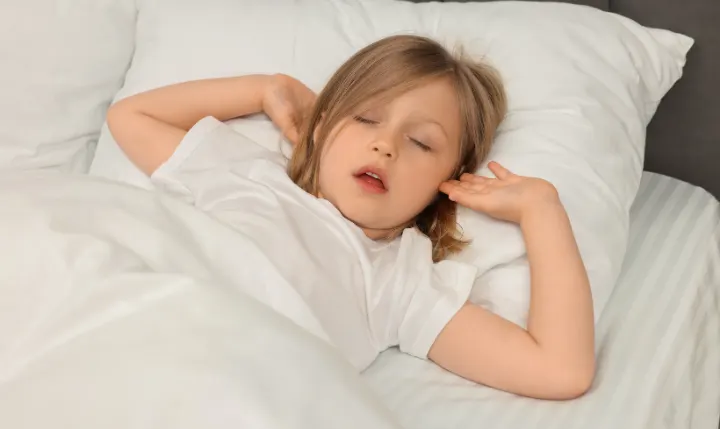
Mouth breathing in children can affect more than oral health. It may be connected to sleep quality, airway health, facial growth, dental development, and daytime focus. Recognizing the signs of child mouth breathing and understanding when a pediatric airway evaluation may be appropriate can help parents address potential concerns early. If your child frequently snores
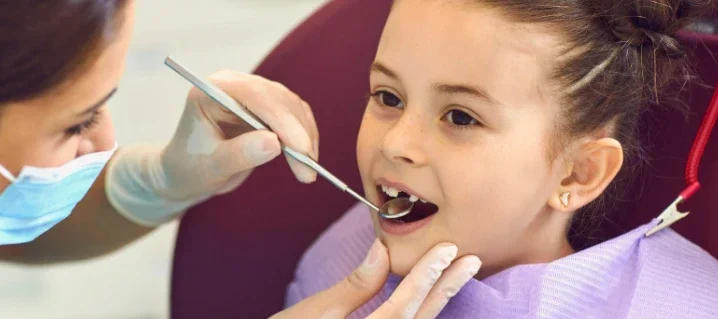
As parents prepare for a new school year, they often focus on school supplies, sports physicals, and updated schedules. But one important item is often overlooked – a back-to-school dental checkup. At Atkins & Anderson DDS in College Station, TX, we know that a healthy smile helps children start the school year with confidence. Whether your child needs a routine cleaning, cavity treatment,

If your child snores every night, it’s easy to assume it’s harmless. After all, many people think snoring simply means someone is sleeping deeply. However, children should not snore regularly, and persistent snoring can be an early warning sign of an underlying airway issue that needs attention. At Atkins & Anderson DDS in College Station, TX, we know that breathing is essential for healthy growth and

A good night’s sleep does more than help you feel rested – it plays an important role in your breathing, oral health, energy levels, and overall wellness. Many people don’t realize that problems with their airway can affect both their sleep quality and their dental health. At Atkins & Anderson in College Station, TX, we take a whole-health
