

Does a breath of cold air or your hot morning coffee suddenly make your teeth ache in the winter? If so, you’re not alone! Tooth sensitivity in winter is a common problem, and colder temperatures can make it feel even worse.
At Atkins & Anderson DDS, we often see an increase in tooth sensitivity complaints this time of year. The good news? There are simple ways to protect your teeth and find relief.
Learn More: 7 Proven Tips for Managing Sensitive Teeth
Why Tooth Sensitivity Gets Worse in Winter
Cold weather can trigger or intensify tooth sensitivity for several reasons:
- Cold Air Exposure
When you breathe in cold air, your teeth rapidly change temperature. If your enamel is worn down or your gums have receded, the inner layer of the tooth (dentin) becomes exposed — leading to sharp, sudden pain.
- Dry Mouth
Indoor heating can reduce saliva production, leading to a dry mouth. Since saliva helps protect teeth from acids and bacteria, less saliva increases sensitivity.
- Enamel Wear
Brushing too hard, grinding your teeth, or consuming acidic foods can weaken enamel over time. Winter sensitivity often reveals enamel damage that’s already there.
Learn More: What is Tooth Enamel and Why is it Important?
- Gum Recession
Cold weather can worsen gum irritation, especially if you already have gum recession. Exposed tooth roots are more sensitive to temperature changes.
Learn More: How to Keep Your Gums Healthy [and Why it Matters]
- Sinus Pressure
Winter colds and sinus congestion can cause tooth pain that feels like sensitivity — especially in the upper teeth.
Simple Solutions for Winter Tooth Sensitivity
If cold weather is making your teeth uncomfortable, these steps can help:
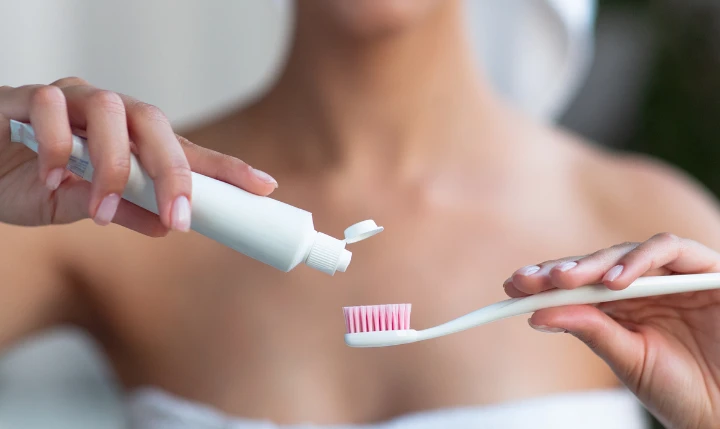
- Switch to a Desensitizing Toothpaste
Look for toothpaste designed specifically for sensitive teeth. With regular use, it can help block pain signals from reaching the nerves.
Learn More: Are You Using the Right Toothpaste?
- Use a Soft-Bristled Toothbrush
Brushing too hard can wear away enamel and irritate gums. A soft brush and gentle technique help protect your teeth and gums.
- Protect Your Mouth from Cold Air
Cover your mouth with a scarf when outside to reduce direct exposure to cold air — especially on cold, windy days.
- Avoid Acidic Foods and Drinks
Citrus, soda, and sports drinks can weaken enamel. Rinse with water afterward if you do consume them.
Learn More: How What You Drink Affects Your Teeth
- Address Teeth Grinding
If you clench or grind your teeth, a custom night guard can help prevent enamel damage and sensitivity.
- Stay Hydrated
Drinking water helps fight dry mouth and supports healthy saliva flow year-round.
When to See a Dentist About Tooth Sensitivity
Occasional sensitivity is common, but persistent or severe tooth pain is not. Sensitivity can sometimes signal underlying issues like cavities, cracked teeth, gum disease, or enamel erosion.
At Atkins & Anderson in College Station, Texas, we can identify the cause of your sensitivity and recommend personalized treatments — from fluoride applications to restorative care.
Don’t Let Winter Tooth Sensitivity Slow You Down
Cold weather shouldn’t keep you from enjoying your favorite activities, foods, or drinks. If tooth sensitivity is bothering you this winter, we’re here to help.
Schedule an appointment with Atkins & Anderson DDS today to get to the root of your tooth sensitivity and keep your smile healthy and comfortable all season long.
Share
Preventive dentistry in College Station, TX, can help protect your smile while reducing the likelihood of more complicated and costly dental treatment in the future. When it comes to your dental health, waiting until something hurts can end up costing you more – both financially and in time, comfort, and treatment. That’s why preventive dentistry
When it comes to your oral health, waiting until something hurts can be one of the most expensive decisions you make. Preventive dentistry focuses on stopping problems before they start – saving you time, discomfort, and high costs down the road. If you’re looking for preventive dentistry in College Station or dental cleanings in College

Many people don’t think about their dental health until something starts to hurt. At Atkins & Anderson DDS in College Station, we regularly help patients treat and prevent the most common dental problems in Texas – many of which are avoidable with early care and good habits. Here are the top 5 dental issues we see, along with what you can do to

You may not realize it, but your breathing habits can affect not only your teeth but also your overall health. In fact, mouth breathing can quietly lead to a range of dental and health issues. At Atkins & Anderson DDS in College Station, TX, we work with many patients whose oral health is affected by mouth breathing. Let’s get to the root
