

If you’re over the age of 7, we hope you don’t sing, “All I want for Christmas is my two front teeth”—and mean it. There’s nothing like a cracked or missing tooth to derail holiday cheer. But accidents do happen. If you or one of your children experience a dental emergency over the holidays, we want you to feel prepared and confident that you’re taking the right steps.
Steps to Take if the Dentist Office is Closed
Step 1: Determine Whether or Not You Have an Emergency.
Sharp pain in your teeth or gums, swollen or sensitive gums, and an inability to speak or eat normally may indicate that you have a dental emergency. An emergency may also occur as a result of trauma to your mouth. Trauma can cause excessive bleeding, a cracked tooth, or a knocked-out tooth. If you experience any of these symptoms and cannot wait until office hours, move on to Step 2.
Step 2: Call the Office
If you are experiencing pain due to trauma or infection, call our office. Our staff will check messages and respond as quickly as possible. If bleeding does not stop, your pain is too severe, or an infection begins to affect your breathing or eating, you may need to go to the ER. In many cases, the ER can only provide antibiotics or ensure an infection is not spreading. If your pain is manageable and the bleeding stops, wait for us to return your call & give you further instructions.
Step 3: Protect the Problem Area
While you wait for an appointment, be careful with the teeth and gums surrounding the problem area. Rinse your mouth with warm saltwater, avoid chewing on the side of the problem area, and keep your mouth clean.
- If your permanent tooth is knocked out, keep the tooth moist by placing it in milk. If possible, put it back in the socket without touching the root.
- For a cracked tooth, rinse your mouth with warm water and then reduce swelling by holding a cold compress to your face.
- If you have a toothache, rinse your mouth with warm water and gently floss to remove debris caught between your teeth.
Steps to Avoid a Dental Emergency
Step 1: Be Careful When Eating
Be careful when eating popcorn, chewing ice, or eating hard candies. Use this holiday season to teach your kids about eating carefully and avoid crunching down on candy canes and peanut brittle. Limit your sugar intake, and remember to brush and floss after consuming sweet treats to reduce your risk of cavities.
Step 2: Always Use Scissors
Yes, your jaw is very strong, but you don’t have to prove it by tearing open a package with your teeth. A chipped or broken tooth is a big price to pay when scissors are within reach.
We recommended having scissors ready Christmas morning so that no one is tempted to cut anything with their teeth.
Step 3: Take Care of Your Teeth
Late-night snacks, festive parties, and rich indulgences seem to go hand in hand with holidays. We don’t want to be Scrooge, we just want to remind you to brush and floss your teeth twice a day and put simple practices in action so that your mouth stays healthy.
We hope that your Christmas holiday is not interrupted by a dental emergency, but if an accident happens, contact Atkins and Anderson, DDS immediately.
Share
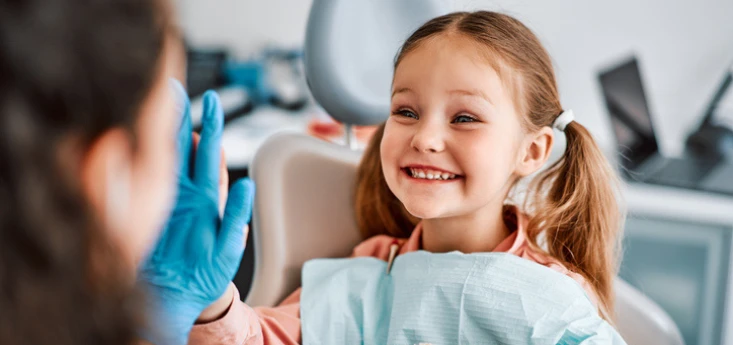
When parents think about their child’s dental visits, they usually focus on clean teeth and cavity prevention. But there’s another important aspect of your child’s health that many families don’t realize a dentist can help evaluate: the airway. At Atkins & Anderson DDS, we know that early airway screening is an important part of helping children grow, sleep,
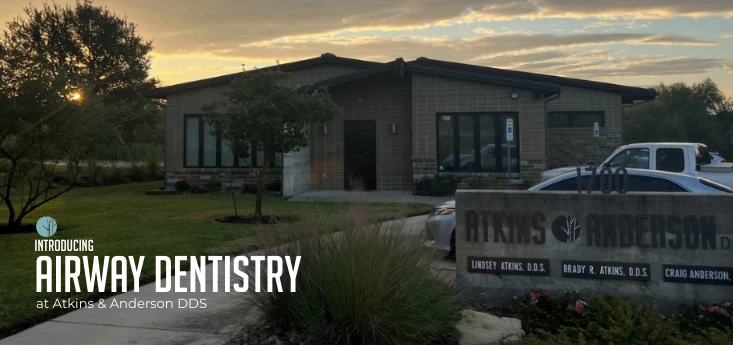
If your child snores, breathes through their mouth, or wakes up tired even after a full night of sleep, you may be witnessing signs of an airway problem, not just a quirky sleep habit. At Atkins & Anderson DDS in College Station, we are proud to now offer airway dentistry as part of our commitment

At Atkins & Anderson, DDS, we know how important healthy, peaceful sleep is for growing children. So when a child struggles with nightmares, restless nights, or ongoing sleep problems, parents naturally want answers. Did you know that poor sleep and frequent nightmares may be signs of an underlying airway issue? Kids rely on deep, restorative sleep to support healthy growth,
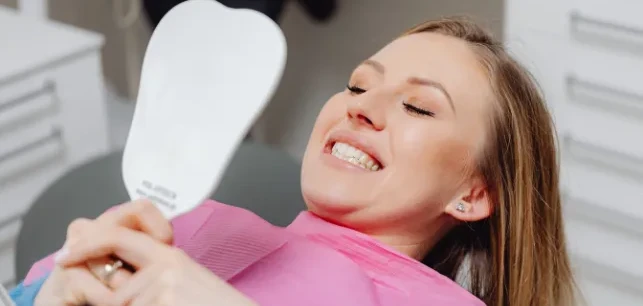
The year tends to end a lot faster than expected, and many patients are taken by surprise when they realize they may be overlooking (and not taking advantage of) valuable dental benefits. Most dental insurance plans renew annually, and any benefits that haven’t been used usually end up disappearing for good — no rollovers, no