

As you get your child’s costume ready and make a plan for fall festivals and trick-or-treating, you know they are already thinking about the candy that comes with Halloween. Can you blame them? There’s something almost magical about coming home and dumping all of the candy out on the kitchen table. You watch as they sort through each piece, finding their favorites, the ones they need to hide from their siblings, the ones they willingly offer up for a trade. But it’s important to monitor the amount of candy your child consumes around Halloween and know which candies can cause problems for their teeth. As you get ready for Halloween, talk to your kids about what candy can do to their teeth, what they need to watch out for, and how to make sure they clean their teeth properly after indulging.
Chocolate
Chocolate is a candy that gets the green light—as long as it’s consumed in moderation. Chocolate rinses off your teeth easily, which is why it doesn’t raise a huge concern. Dark chocolate is even better because it contains less sugar than milk chocolate.
Gummy Candy
Unfortunately, gummy candy needs to be eaten with caution. Because the sticky centers tend to get stuck in your teeth, there’s more time for the cavity-causing bacteria to work. Don’t let gummy candies sit on your teeth for too long.
Sour Candy
Sour candies tend to have higher acidity. The acid can damage or weaken your teeth’s enamel which makes you more prone to cavities.
Hard Candy
One reason hard candy can be harmful is that it can break your teeth when you try to bite into it. If you suck on hard candies for a long time, the sugar from the candy gets in your saliva and continually washes over your teeth.
The Problem with Sugar
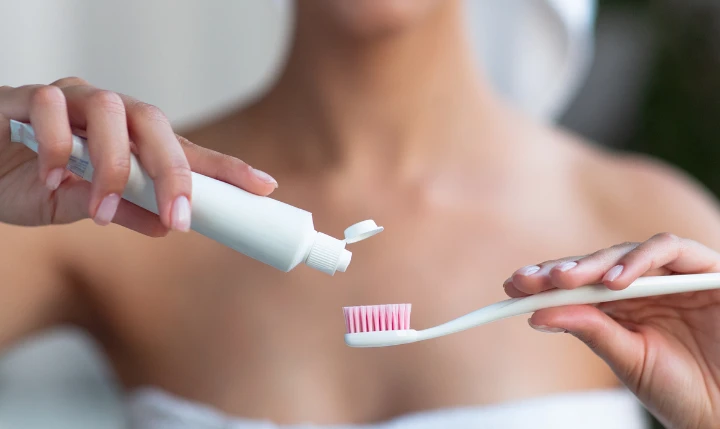
In most cases, the candies themselves are not the issue, it’s the sugar in them. Your mouth already has bacteria in it. When you eat sugar-filled candy, the bacteria in your mouth eats the sugar and turns it into an acid. Then, the acid weakens your enamel—the hard, outer covering on your teeth. When the enamel is damaged, cavities form. The best way to prevent cavities is to brush your teeth at least twice a day and floss every day. If your children are doing this all year long, chances are a Halloween splurge won’t harm their teeth. Just make sure brushing their teeth is the last thing they do on Halloween.
Regular dental appointments are the best way to detect early signs of tooth decay and potential cavities. At Anderson & Atkins, DDS, we are committed to giving your child the best oral care, minimizing their anxiety, and teaching them effective dental habits. Contact us today to schedule a routine teeth cleaning for the whole family.
Source: https://www.mouthhealthy.org/en/az-topics/h/halloween-candy-survival-guide
Share
Preventive dentistry in College Station, TX, can help protect your smile while reducing the likelihood of more complicated and costly dental treatment in the future. When it comes to your dental health, waiting until something hurts can end up costing you more – both financially and in time, comfort, and treatment. That’s why preventive dentistry

When it comes to your oral health, convenience and quality care go hand in hand. While you may have several options when searching for a dentist, choosing a local dentist in College Station can provide benefits that go far beyond routine cleanings and checkups. From personalized care and community connections to easier access during dental

When it comes to your oral health, waiting until something hurts can be one of the most expensive decisions you make. Preventive dentistry focuses on stopping problems before they start – saving you time, discomfort, and high costs down the road. If you’re looking for preventive dentistry in College Station or dental cleanings in College

Many people don’t think about their dental health until something starts to hurt. At Atkins & Anderson DDS in College Station, we regularly help patients treat and prevent the most common dental problems in Texas – many of which are avoidable with early care and good habits. Here are the top 5 dental issues we see, along with what you can do to
