

Understanding Periodontal Disease
Gums affected by periodontal disease often become red, swollen, and tender. You may notice bleeding when brushing or flossing, which is one of the earliest warning signs. When caught early, gum inflammation (gingivitis) can typically be reversed with professional treatment and improved oral hygiene. Addressing symptoms quickly can help prevent the condition from progressing into something more serious.
When Gum Disease Progresses to Periodontitis
Periodontitis is a more advanced stage of gum disease that affects not only your gums, but also the bone and supporting structures around your teeth. Unlike early-stage gum disease, the damage caused by periodontitis cannot be reversed.
Why Early Treatment Matters
If left untreated, periodontitis can lead to significant complications, including:
-
Gum recession
-
Bone loss
-
Loose teeth
-
Tooth loss
In advanced cases, teeth may fall out on their own or require extraction. Treatment may involve more extensive care from your general dentist or referral to a periodontist. In severe situations, surgical procedures may be necessary to help save your teeth and restore oral health.
The Connection Between Periodontal Disease and Overall Health
Research has shown that periodontal disease is linked to a number of serious health conditions. According to Caesy Dental Education, ailments associated with periodontal disease include respiratory disease, pneumonia, strokes, ulcers, difficult-to-control diabetes, low birth weight babies, and infective endocarditis, a dangerous infection of the heart valves.
Researchers have also found that chronic oral infections may allow harmful bacteria to enter the bloodstream. One such bacteria, Streptococcus sanguis, has been linked to the formation of blood clots that can block arteries and potentially trigger a heart attack.
Protecting Your Health Starts with Your Smile
Maintaining healthy gums is about more than preserving your smile. Routine dental visits, daily brushing and flossing, and early intervention are key to preventing serious complications.
If you have questions about periodontal disease or would like to schedule an appointment, contact our office.
Share
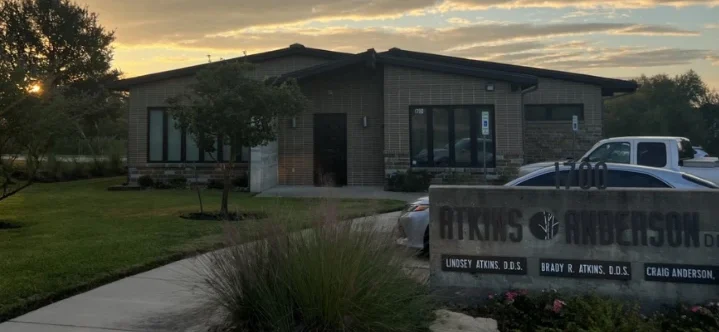
When it comes to your oral health, convenience and quality care go hand in hand. While you may have several options when searching for a dentist, choosing a local dentist in College Station can provide benefits that go far beyond routine cleanings and checkups. From personalized care and community connections to easier access during dental
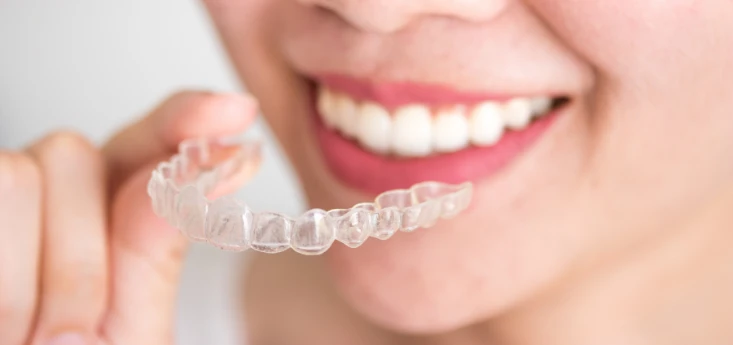
If you’ve been thinking about straightening your teeth but don’t want traditional metal braces, Invisalign may be the solution you’ve been looking for. At Atkins & Anderson, DDS in College Station, many teens and adults are choosing Invisalign because it offers a more comfortable, discreet, and convenient way to improve their smiles. But how do
When it comes to your oral health, waiting until something hurts can be one of the most expensive decisions you make. Preventive dentistry focuses on stopping problems before they start – saving you time, discomfort, and high costs down the road. If you’re looking for preventive dentistry in College Station or dental cleanings in College
When most parents think about orthodontics, they picture straight teeth and a confident smile. But there’s a deeper layer to oral health that’s gaining attention – airway-focused dentistry. At Atkins & Anderson DDS in College Station, Texas, early intervention goes beyond aesthetics to support proper breathing, healthy development, and long-term wellness. If you’ve been searching
